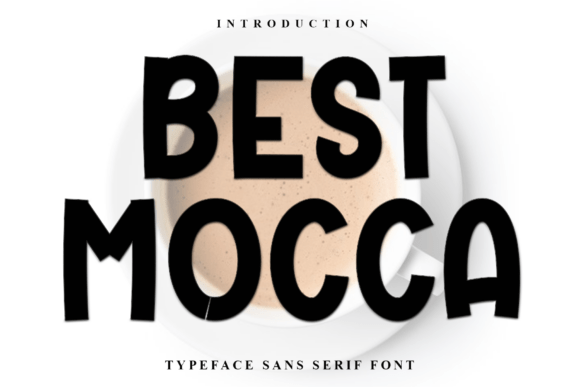
Best Mocca Font Review
As a designer working on a lifestyle blog redesign, I found myself drawn to Best Mocca—a display font that brings a soft, elegant energy to any editorial layout. Its distinctive strokes and unique character make it ideal for titles, headers, and decorative elements that need to stand out without overwhelming the reader.
Best Mocca for Blog Headers and Editorial Branding
Best Mocca shines when used as a blog header or title font. Its gentle curves and expressive strokes add a personal touch that feels both modern and timeless. Whether you're launching a new section of your site or updating an existing one, this font helps establish a clear visual identity. It pairs well with clean, readable fonts for body text, ensuring that your content remains accessible while your headlines capture attention.
For a lifestyle blog focused on wellness and self-care, Best Mocca can be used to highlight key sections like "Mindful Moments" or "Daily Rituals." The font’s softness complements the tone of the content, reinforcing a sense of calm and intentionality.
Best Mocca for Ebook Titles and Digital Magazines
When designing an ebook or digital magazine, the choice of font plays a crucial role in setting the tone. Best Mocca is particularly effective for titles and cover art, where its unique character can make a strong first impression. Its versatility allows it to work across different platforms, from PDFs to web-based publications.
Consider using Best Mocca for a recipe ebook titled “Seasonal Bakes” or a travel guide named “Wanderlust Journals.” The font’s expressive nature adds a touch of sophistication, making the content feel more curated and intentional. However, it’s best reserved for headings rather than long blocks of text, as its style may not support extended reading on screen or in print.
Best Mocca for Newsletter Graphics and Social Media Covers
Best Mocca is also a great choice for newsletter graphics and social media covers. Its eye-catching design makes it perfect for pull quotes, featured posts, or promotional banners. When paired with a simple background, the font commands attention without competing with other design elements.
For a weekly newsletter focused on creative inspiration, using Best Mocca in a headline like “This Week’s Must-Have Tools” adds a polished, professional look. Similarly, on a Pinterest board or Instagram post, the font can elevate the visual appeal of your content, making it more shareable and engaging.
Best Mocca for Print Materials and Packaging Design
Best Mocca transitions well to print materials, such as business cards, brochures, or packaging design. Its soft, handcrafted feel gives a sense of authenticity that resonates with audiences looking for quality and care in their products. For a small business selling handmade soaps or artisanal candles, this font could be used to label product boxes or create a cohesive brand aesthetic.
However, when using Best Mocca in print, it’s important to consider the size and spacing. Smaller text, such as captions or footnotes, may become less legible. Instead, use it for larger text elements like logos, headings, or decorative accents that don’t require high readability.
Best Mocca for Creative Projects and Content Branding
For independent content creators, Best Mocca offers a way to build a consistent and recognizable brand. Whether you’re designing a printable planner, a coaching workbook, or a course PDF, this font can help reinforce your brand’s personality. Its soft, expressive style works well for projects that aim to inspire, educate, or entertain.
When pairing Best Mocca with other fonts, consider balancing its uniqueness with something more neutral. A serif font like Georgia or a sans serif like Open Sans can provide contrast while maintaining readability. This combination ensures that your content remains visually appealing without sacrificing clarity.
Before using Best Mocca in commercial projects, check the licensing terms. Ensure that the font supports the intended use, whether it’s for an ebook, a downloadable template, or a client’s publication. Also, verify that the font includes necessary styles, alternates, and multilingual support if needed.