Floppy Font: Playful Display for Creative Projects
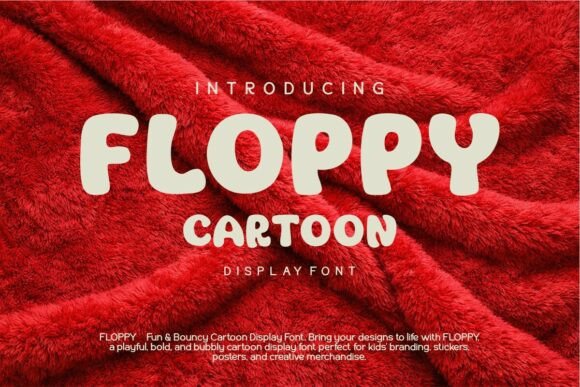
When I first opened the file for Floppy, I was struck by its whimsical energy. This bold and bouncy cartoon display font feels like a breath of fresh air in the world of typography. Designed with a playful rhythm and nostalgic charm, Floppy isn’t just a font—it’s a mood booster for any editorial project that needs a little more personality.
Floppy for Lifestyle Blogs and Digital Magazines
Floppy works exceptionally well for lifestyle blogs and digital magazines looking to inject fun into their visual identity. In a recent redesign, I used it for a blog header that needed a modern yet approachable feel. The font’s rounded edges and exaggerated strokes gave the site a friendly, accessible vibe without sacrificing style. It’s perfect for headlines that need to stand out but still feel part of a cohesive design system.
One of the things I love about Floppy is how it balances boldness with readability. Even at larger sizes, it maintains clarity, making it ideal for magazine covers or section headers. When paired with a clean sans serif for body text, it creates a dynamic contrast that guides the reader through the content without overwhelming them.
Using Floppy in Recipe Ebooks and Cooking Guides
For a recipe ebook I was designing, Floppy added a delightful touch to chapter titles and pull quotes. The font’s playful character made the content feel more engaging, especially when paired with warm, inviting imagery. It’s not just about looking cute—it brings a sense of joy to the reading experience, which is essential when the goal is to inspire people to cook and create.
I found that Floppy shines best in short, impactful text—like recipe titles, step-by-step instructions, or decorative accents. For longer sections, it’s better to use it as a highlight rather than a primary body font. That said, its multilingual support and variety of styles make it versatile enough to work across different formats and platforms.
Floppy for Wedding Guides and Event Branding
When working on a wedding guide, I experimented with Floppy for event headings and guestbook designs. Its bubbly, hand-drawn aesthetic brought a sense of celebration and warmth to the project. Whether it was for a ceremony program or a printable save-the-date, Floppy added an element of surprise and delight that traditional fonts often lack.
What makes Floppy stand out is its ability to communicate emotion through type. It’s not just about the shape of the letters—it’s about the feeling they evoke. In a wedding context, that feeling is joy, romance, and a touch of whimsy. Using Floppy in this way helped reinforce the brand identity while keeping the design light and approachable.
Floppy for Coaching Workbooks and Printable Planners
In a coaching workbook, I used Floppy for section titles and motivational quotes. The font’s energetic look aligned perfectly with the content’s uplifting tone. It made the pages feel more dynamic and less static, which is crucial when designing materials meant to encourage growth and self-reflection.
For printable planners, Floppy worked well as a decorative accent in headers and labels. Its bold strokes and playful curves gave the pages a unique personality, making the planner feel more like a personal journal than a generic template. It also paired nicely with minimalist layouts, where it served as a focal point without overpowering the rest of the design.
Floppy for Newsletter Headers and Social Media Graphics
When designing a newsletter header, I chose Floppy to add a sense of personality and creativity. It stood out against the background and drew attention without being distracting. For social media graphics, the font’s visual appeal made it a natural fit for promotional posts, banners, and captions that needed a little extra flair.
One thing to consider when using Floppy in these contexts is its scalability. At smaller sizes, it can lose some of its clarity, so it’s best to use it for larger text elements like headlines or callouts. When paired with a complementary font, it can elevate the overall design while maintaining readability across different devices and formats.
Floppy for Editorial Layouts and Content Branding
In an editorial layout project, I used Floppy for article titles and pull quotes. The font’s boldness made it ideal for drawing attention to key points, while its soft curves kept the overall design from feeling too rigid. It worked particularly well in a magazine-style layout where the goal was to create a visually engaging reading experience.
For content branding, Floppy helped establish a consistent visual language across different platforms. Whether it was for a blog, a downloadable PDF, or a printed brochure, the font provided a recognizable identity that felt both professional and approachable. It’s a great choice for brands that want to communicate creativity and authenticity through their typography.
Floppy for Print and Digital Downloads
When testing Floppy in print, I was impressed by how well it translated from screen to paper. Its legibility at various sizes made it suitable for everything from business cards to posters. For digital downloads, the font’s clean lines and clear shapes ensured that it looked sharp on screens, whether viewed on a phone, tablet, or desktop.
One of the most important considerations when using Floppy in print or digital formats is to check the font’s licensing. Make sure it includes the necessary styles, weights, and file formats for your specific use case. If you’re planning to sell templates, ebooks, or printable products, it’s crucial to verify that the license allows for commercial use and redistribution.