Liquid Grooves Font Review
Choosing the right font for a blog header can feel like selecting the perfect accessory for a statement piece. When I first tested Liquid Grooves, it was for a lifestyle blog redesign—specifically, the main title that would greet readers every time they visited. The moment I saw the font in action, I knew it had the kind of personality that could elevate a simple headline into something memorable.
Liquid Grooves for Editorial Headers and Brand Identity
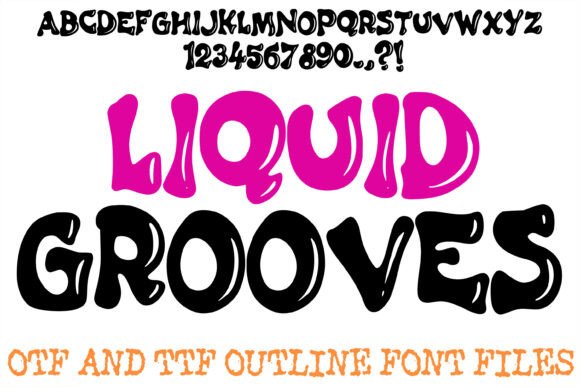
Liquid Grooves is a display font that leans into its bold, fluid forms with an almost hypnotic rhythm. Its balloon-like shapes and wavy lines evoke a sense of movement, making it ideal for headlines that need to stand out without overwhelming the reader. In editorial design, this font can become the visual heartbeat of a publication, anchoring everything from magazine covers to newsletter headers.
As a premium font, Liquid Grooves isn’t meant for body text. Its expressive nature makes it best suited for titles, pull quotes, and section openers where visual impact matters most. For a lifestyle blog, using it as the main heading creates a strong brand identity—something that feels both modern and nostalgic, echoing the retro aesthetics of the 70s without feeling dated.
Liquid Grooves for Digital Magazines and Ebook Covers
When designing a digital magazine layout, I often look for fonts that can carry the weight of a cover without sacrificing readability. Liquid Grooves fits that role perfectly. Its ultra-bold structure ensures legibility even at smaller sizes, while its organic curves add a touch of whimsy that works well with editorial content focused on art, culture, or creativity.
For ebook covers, especially those targeting niche audiences like wellness guides or creative workbooks, Liquid Grooves can be a powerful tool. It adds a sense of authenticity and flair that resonates with readers who appreciate thoughtful design. Pairing it with a clean sans serif font for subheadings or captions helps balance the composition, keeping the overall layout from feeling too chaotic.
Liquid Grooves for Printables and Creative Workbooks
I recently used Liquid Grooves in a printable planner designed for morning routines and self-care practices. The font’s flowing, almost liquid-like structure gave the pages a soft, inviting energy that matched the theme of the content. It worked particularly well for chapter headings and motivational quotes, where a more rigid font might have felt too clinical.
However, I found that it wasn’t the best choice for small text or dense sections. In a coaching workbook, for example, using Liquid Grooves for step-by-step instructions would have been impractical. That’s where font pairing becomes essential—combining it with a readable serif font for body text ensures clarity without losing the font’s unique character.
Liquid Grooves for Social Media Graphics and Newsletter Design
In newsletter design, Liquid Grooves can be a standout element when used strategically. I’ve seen it work well for eye-catching subject lines or featured pull quotes that draw attention before the reader even opens the email. Its boldness helps it cut through the noise of a crowded inbox, making it a valuable asset for content creators looking to build engagement.
On social media, the font’s visual appeal translates well to graphics and banners. Whether it’s for a recipe ebook promotion or a wedding guide teaser, Liquid Grooves adds a layer of sophistication that feels both artistic and approachable. It’s important to test how it renders on different screen sizes, but overall, it maintains its integrity across platforms.
Liquid Grooves for Display-Only Use and Content Structure
Liquid Grooves excels in situations where the font is used as a decorative element rather than a primary text driver. In editorial layouts, it can serve as a visual anchor for key sections, helping to guide the reader’s eye through the content. This makes it particularly useful for article titles, section dividers, and graphic elements that reinforce the tone of the publication.
For content structure, the font’s distinct shape and rhythm make it easy to distinguish from other typefaces, which is crucial in long-form articles or digital magazines. It doesn’t interfere with readability but instead enhances the overall aesthetic, creating a cohesive visual language that supports the content’s message.