Thick Envelope Font
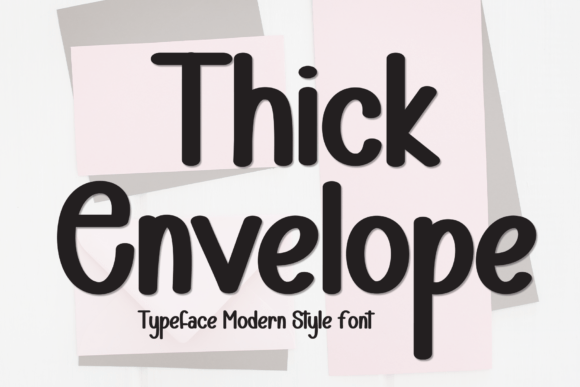
There’s a quiet moment in editorial design when the right font can transform a project from good to unforgettable. For a recent lifestyle blog redesign, I found myself standing at that crossroads—searching for a typeface that could capture the warmth and personality of the brand while still maintaining clarity and professionalism. That’s when I discovered Thick Envelope, a handwritten display font that feels both intimate and confident. It’s the kind of font that makes you want to lean in and read more.
Thick Envelope for Wedding Invitations and Elegant Branding
Thick Envelope was born with a purpose: to bring a sense of charm and whimsy to design projects that demand a personal touch. Its soft curves and bold strokes make it ideal for wedding invitations, where every detail matters. But its appeal extends beyond nuptials. In a digital magazine layout, this font can serve as a striking header or a memorable pull quote. The way it balances playfulness with readability makes it a versatile choice for any project that wants to feel authentic and approachable.
As a display font, Thick Envelope excels at drawing attention without overwhelming the reader. Its character is warm and inviting, making it perfect for branding elements like logos, social media graphics, or even packaging design. When used thoughtfully, it adds a layer of personality that resonates with audiences looking for something unique and heartfelt.
Thick Envelope in Editorial Layouts and Content Structure
One of the most compelling aspects of Thick Envelope is how it supports visual hierarchy in editorial layouts. Whether I was designing a recipe ebook or a printable planner, this font stood out as a natural choice for headings and subheadings. Its rhythm and spacing allow it to sit comfortably alongside other typography, creating a balanced and cohesive look.
In a coaching workbook, for example, I used Thick Envelope for chapter openers and key takeaways. The font’s expressive nature helped emphasize important points without disrupting the flow of the content. It also worked well in newsletter headers, where its playful yet refined style added a sense of energy and creativity.
However, it’s important to note that Thick Envelope isn’t suited for body copy. Its expressive characteristics can become distracting in long paragraphs or dense text blocks. Instead, it shines when used as a decorative accent or in short, impactful phrases that guide the reader through the content.
Thick Envelope for Digital Magazines and Printable Guides
When working on a digital magazine layout, I experimented with Thick Envelope as a headline font for feature pages. Its handcrafted feel gave the publication a more personal and curated vibe, which aligned perfectly with the magazine’s theme. It paired beautifully with a clean sans serif font for body text, creating a contrast that enhanced readability without sacrificing style.
For printable guides, such as a wedding planning checklist or a creative writing worksheet, Thick Envelope brought an element of joy and inspiration. Its use in pull quotes and section titles made the content feel more engaging and visually dynamic. It also worked well in social media graphics, where its friendly appearance encouraged interaction and sharing.
That said, I always recommend checking the font’s file formats and licensing before using it in commercial projects. Ensuring that it includes all necessary styles, alternates, and ligatures is crucial for maintaining consistency across different platforms and mediums.
Thick Envelope and the Art of Typography in Content Creation
Typography is more than just choosing a font—it’s about crafting an experience. Thick Envelope offers a unique blend of personality and legibility that makes it a valuable addition to any designer’s toolkit. Whether you’re creating a course PDF, a downloadable planner, or a branded newsletter, this font can help define your brand’s voice and aesthetic.
Its versatility makes it a great choice for content creators who want to add a touch of authenticity to their work. However, it’s essential to pair it with complementary fonts to maintain balance. A serif font for body text or a modern sans serif for captions can help create a more structured and professional look while letting Thick Envelope shine where it matters most.
Ultimately, Thick Envelope is a font that invites connection. It’s not just a tool for design—it’s a reflection of the care and intention behind the content it supports. For anyone looking to infuse their work with warmth, charm, and a touch of magic, this display font is worth exploring.