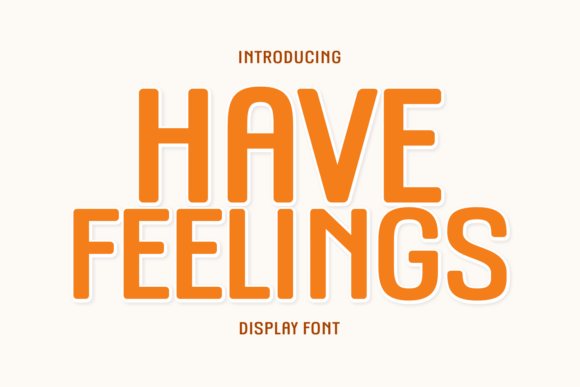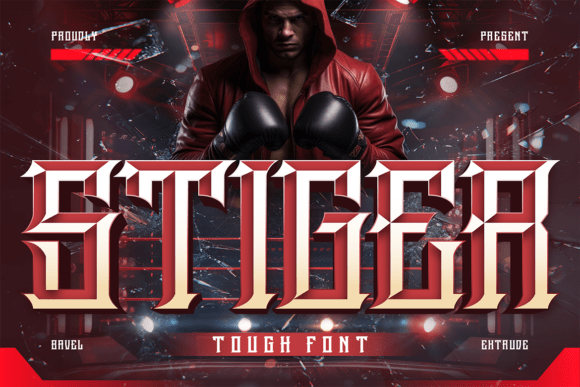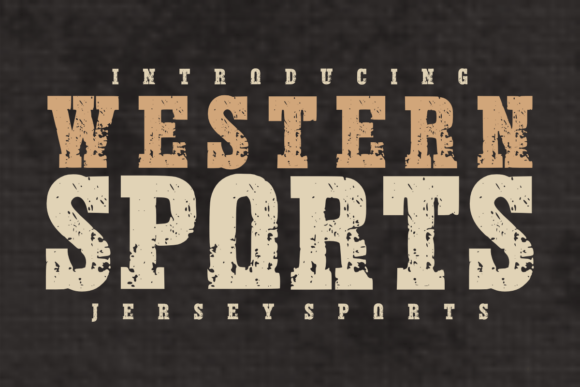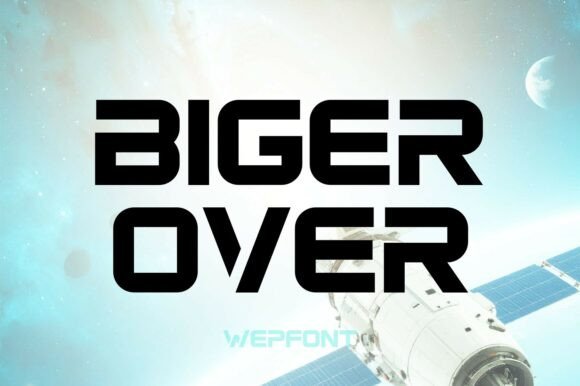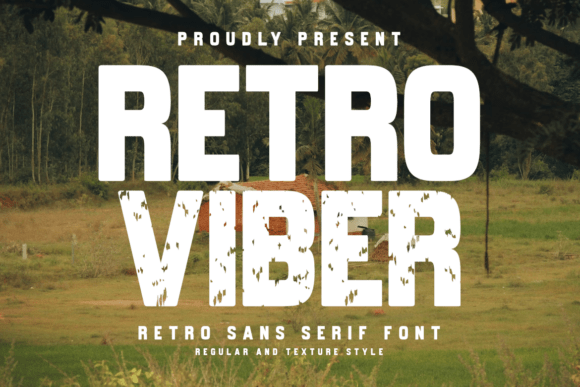
Retro Viber Font for Bold Web Design
Testing Retro Viber on a new boutique online store project, I was immediately drawn to its tall, condensed structure and the way it commands attention without overwhelming the layout. As a web designer, I often look for fonts that can elevate a digital brand while maintaining clarity and purpose. Retro Viber fits that need perfectly, offering a vintage industrial vibe that feels both nostalgic and modern.
Retro Viber for Hero Sections and Brand Headers
When designing the hero section of a creative portfolio site, I chose Retro Viber for the main headline. The font’s bold aesthetic made the text stand out against a background image of an old factory wall, creating a strong visual contrast. It felt like the perfect match for a brand that wanted to convey craftsmanship and authenticity. Using Retro Viber in this context helped set the tone for the entire site, reinforcing the idea of a handmade, artisanal experience.
The font’s condensed form also allowed for more text to fit within a limited space, which is crucial for mobile-first design. On smaller screens, the letters didn’t feel cramped, and the legibility remained high even at smaller sizes. This makes Retro Viber a great choice for headers that need to be both eye-catching and functional.
Retro Viber for Call-to-Action Buttons and Short Phrases
On a product landing page for a line of vintage-inspired home goods, I used Retro Viber for the primary call-to-action button. The font’s sharp edges and tight spacing gave the button a sense of urgency and energy, which aligned with the brand’s messaging. It worked well with a dark background, where the white text stood out clearly and felt intentional.
However, I noticed that using Retro Viber for longer paragraphs or body text could reduce readability, especially on low-resolution screens. For that reason, I paired it with a simple sans-serif font for subheadings and descriptions. This combination created a balanced hierarchy, allowing the bold display font to shine where it mattered most—on headlines and key messages.
Retro Viber for Logo Text and Decorative Accents
For a coaching website focused on personal development, I experimented with Retro Viber as the logo text. The font’s industrial edge added a sense of strength and reliability, which resonated with the brand’s mission. It looked great in both light and dark modes, and the font’s weight options provided flexibility for different applications.
I also used it as a decorative accent in social media graphics and promotional banners. The font’s unique shape and character made it ideal for short, impactful phrases like “Rise Up” or “Breakthrough.” These small touches helped reinforce the brand’s identity across multiple touchpoints.
Retro Viber for Responsive Layouts and Mobile Screens
One of the first things I checked when integrating Retro Viber into a responsive layout was how it performed on mobile devices. The font scaled well, and its compact design prevented text from spilling over into unintended areas. On a course sales page, for example, the headline remained clear and readable even when viewed on a smartphone.
For buttons and small text elements, I made sure to test the font on both light and dark backgrounds. Retro Viber held up well in both scenarios, but I found that using a slightly lighter weight on dark backgrounds improved contrast and legibility. This adjustment helped maintain a clean, professional look without sacrificing the font’s bold personality.
Retro Viber for Digital Brand Kits and Consistent Identity
When building a digital brand kit for a small business, I included Retro Viber as part of the typography system. It became the go-to font for headings, logos, and promotional materials, ensuring a cohesive visual language across all platforms. The font’s versatility allowed it to work in both print and digital formats, making it a valuable asset for the brand’s long-term identity.
I also considered multilingual support and font licensing before finalizing the design. Retro Viber offered a range of weights and alternate characters, which made it easy to adapt for different languages and regional styles. This level of detail is essential for businesses that want to maintain a consistent look across global audiences.
Retro Viber for Webfont Integration and Performance
Before using Retro Viber on a live website, I made sure to check its webfont availability and performance impact. The font loaded quickly, and its file size was manageable, which is important for maintaining fast load times. I also verified that the font was available in common formats like WOFF and WOFF2, ensuring compatibility with most browsers and devices.
For client projects, I always recommend checking font licensing terms to avoid any legal issues. Retro Viber’s commercial license made it easy to use on websites, landing pages, and other digital assets without worrying about restrictions or additional costs.