Western Sports Font for Bold Web Design
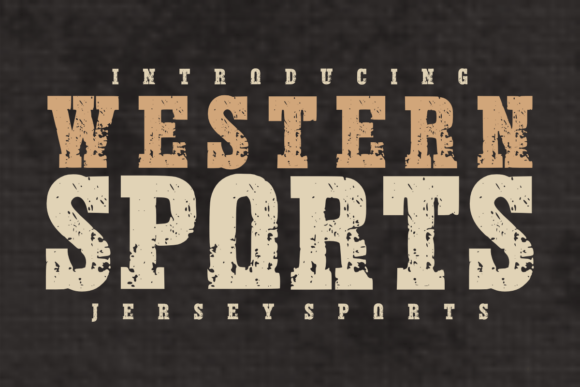
Testing Western Sports in a hero section of a new boutique online store felt like adding a powerful punch to the visual identity. The font’s heavy slab-serif structure and weathered texture immediately gave the site a rugged, authentic vibe that matched the brand’s mission of selling handcrafted outdoor gear. As a web designer, I was eager to explore how this display font could elevate the overall aesthetic without compromising readability or user experience.
Western Sports for Outdoor Branding and Product Landing Pages
When I first applied Western Sports to a product landing page for an outdoor equipment brand, it transformed the headline into a strong visual anchor. The font’s commanding presence made the call-to-action stand out, drawing attention to key messages like “Explore the Wild” and “Find Your Adventure.” For a digital product focused on hiking and camping, the font’s gritty texture added a sense of authenticity that resonated with the target audience.
Using Western Sports for product titles and category headers helped create a cohesive visual language across the site. The font’s boldness worked well for large text, but I noticed that smaller text sizes required careful spacing to maintain legibility. On mobile screens, especially, I had to adjust line heights and padding to ensure the text didn’t feel cramped or hard to read.
Western Sports in Hero Sections and Image Overlays
Adding Western Sports to a hero section with a background image of a mountain range created a striking contrast. The font’s weight complemented the natural imagery, reinforcing the brand’s connection to the outdoors. However, I found that placing the text over dark or busy images required a lighter version of the font or a subtle drop shadow to improve visibility.
For a campaign landing page promoting a new line of survival gear, Western Sports served as the primary headline. The font’s personality aligned perfectly with the campaign’s tone—strong, adventurous, and trustworthy. It also paired well with a simple sans-serif font for body copy, creating a balanced hierarchy that guided users through the content without overwhelming them.
Western Sports for Creative Portfolios and Coaching Websites
On a creative portfolio site, Western Sports became the go-to font for project titles and client testimonials. Its bold style added a professional edge to the layout, making each section feel intentional and impactful. When used for a coaching website’s main heading, the font conveyed authority and confidence, which was essential for building trust with potential clients.
I experimented with using Western Sports for logo text, but found that it worked best when paired with a simpler typeface. A clean sans-serif font for the brand name alongside the Western Sports logo created a modern yet rugged look that stood out on social media graphics and email templates.
Western Sports in Digital Ads and Social Media Graphics
When I tested Western Sports in a digital ad for a new outdoor apparel brand, the font’s boldness made the headline pop against the background. It worked especially well in banner ads where space was limited, as the font’s structure allowed for clear communication without clutter. However, I had to avoid using it for long paragraphs, as the dense character shapes reduced readability on small screens.
For social media posts, Western Sports was ideal for eye-catching captions and headlines. It added a unique flair to promotional content, helping the brand stand out in a crowded feed. Pairing it with a more neutral font for supporting text ensured the message remained clear and accessible to all audiences.
Western Sports for Blog Headers and Editorial Design
On a blog redesign, Western Sports brought energy to the header sections, making each post feel like a compelling story. The font’s textured appearance added depth to the design, while its strong structure maintained a clean, professional look. It worked particularly well for featured posts, where the headline needed to grab attention quickly.
I also considered using Western Sports for subheadings and pull quotes, but found that it sometimes overshadowed the main content. For editorial design, a more subdued serif font was better suited for body text, while Western Sports remained reserved for headings and decorative elements.
Western Sports in Responsive Layouts and Dark Mode
Testing Western Sports in a responsive layout revealed some challenges. On smaller screens, the font’s thick strokes sometimes caused text to appear too heavy, making it harder to scan. Adjusting the font size and adding more white space improved the reading experience, especially for users browsing on mobile devices.
In dark mode, Western Sports retained its visual strength, but I noticed that the contrast between the text and background needed to be carefully managed. Using a slightly lighter variant of the font or adjusting the background color helped maintain clarity without sacrificing the font’s bold personality.
Western Sports for Online Stores and E-Commerce Branding
For an online store selling handmade leather goods, Western Sports added a distinctive touch to the homepage and product banners. The font’s rugged aesthetic aligned with the brand’s craftsmanship, making the site feel more authentic and trustworthy. It worked well for product titles and promotional tags, where brevity and impact were key.
However, I realized that Western Sports wasn’t the best choice for every element of the site. For example, using it on buttons or navigation menus often made the interface feel cluttered. Instead, I opted for a simpler font for interactive elements, reserving Western Sports for high-impact areas like the hero section and product headers.
Western Sports in Webfont Projects and Commercial Use
Before implementing Western Sports on a client’s website, I checked the font’s webfont availability and licensing terms. It was available in multiple weights and styles, which provided flexibility for different design needs. The font’s multilingual support was also a plus, allowing the client to use it across various regional markets without issues.
For commercial projects, I made sure to review the font’s license agreement to confirm it allowed for use on websites, digital templates, and brand assets. This step was crucial to avoid any legal complications down the line, especially when working with clients who needed the font for their own branding efforts.